

Many property owners don’t think about commercial roof problems until they’re dealing with leaks, disruptions, or unexpected repair costs.
If your commercial roof is leaking, failing early, or not performing the way it should, there’s usually a clear reason behind it.
Most commercial roofing systems are designed to last 20–30 years. But when problems show up much sooner, it’s rarely because of the material itself.
The most common cause of commercial roof problems is improper installation and missed details during the roofing process.
Understanding that early can help you avoid costly issues—and make better decisions on your next project.
Common Commercial Roof Problems Property Owners Face
Commercial roof problems rarely show up all at once. They tend to start small—something minor that’s easy to overlook—and gradually turn into a bigger issue.
In most cases, property owners begin noticing things like persistent leaks, areas where water collects after a storm, or signs of premature wear. Over time, these symptoms often point back to a few root issues:
- Weak or failing seams
- Improper flashing around penetrations
- Drainage that wasn’t planned correctly
Individually, these may not seem urgent. But together, they’re often early warning signs of a system that isn’t performing the way it should.
Why Commercial Roofs Fail (It’s Not the System)
Modern commercial roofing systems are not the weak link.
Materials like TPO, PVC, and EPDM are engineered to perform. Manufacturers invest heavily in testing and design to ensure these systems can handle weather, temperature swings, and long-term exposure.
When installed correctly, they do exactly what they’re supposed to do.
So when a roof fails early, it raises a different question:
What went wrong?
More often than not, the answer isn’t the product.
It’s how that product was installed.
If you’re evaluating your options or planning a project, working with a team that specializes in commercial roofing services can help ensure the system is installed correctly from the start.
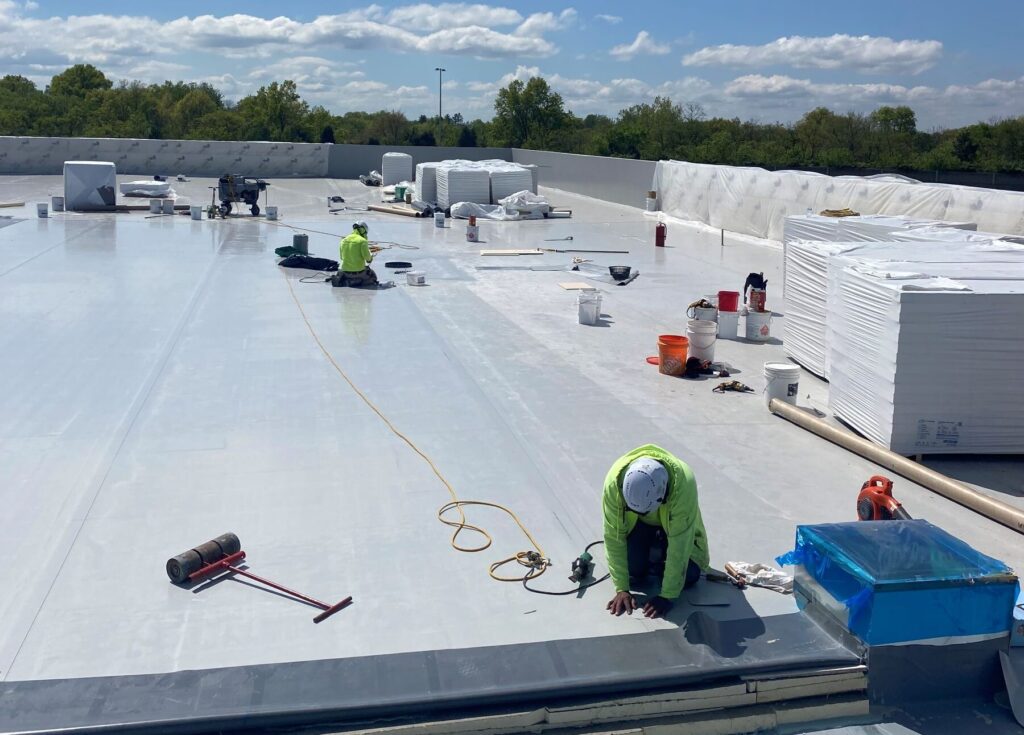
How Poor Installation Leads to Commercial Roof Problems
If you trace most commercial roof problems back to their source, they almost always lead to installation.
Not dramatic mistakes—small ones.
A seam that wasn’t fully sealed.
Flashing that wasn’t properly secured.
Drainage that looked fine on paper but didn’t work in real conditions.
These are the kinds of details that don’t always show up right away. In fact, a roof can look perfectly fine when the project is complete.
But over time, those small misses begin to show—and that’s when problems surface.
Why Execution Matters in Commercial Roofing
A commercial roofing system is only as good as the way it’s installed.
Every seam, edge, and transition plays a role. And none of those details are optional.
A roof doesn’t fail all at once.
It fails in the details.
That’s what determines whether a roof lasts five years—or twenty-five.
Execution isn’t about speed or volume. It’s about consistency. It’s about following the specifications, even when no one is watching. And it’s about doing the work the same way every time.
What Sets a Qualified Commercial Roofing Contractor Apart
Not all contractors approach projects with the same level of accountability.
The difference tends to show up in how closely they follow standards—and whether those standards are enforced by anyone outside their own team.
A qualified contractor is typically:
- Recognized by manufacturers
- Required to meet strict installation guidelines
- Evaluated based on real project performance
That kind of oversight creates consistency. And consistency is what leads to long-term results.
What the Carlisle ESP Award Means for Commercial Roofing Quality
This is exactly where manufacturer recognition becomes meaningful.
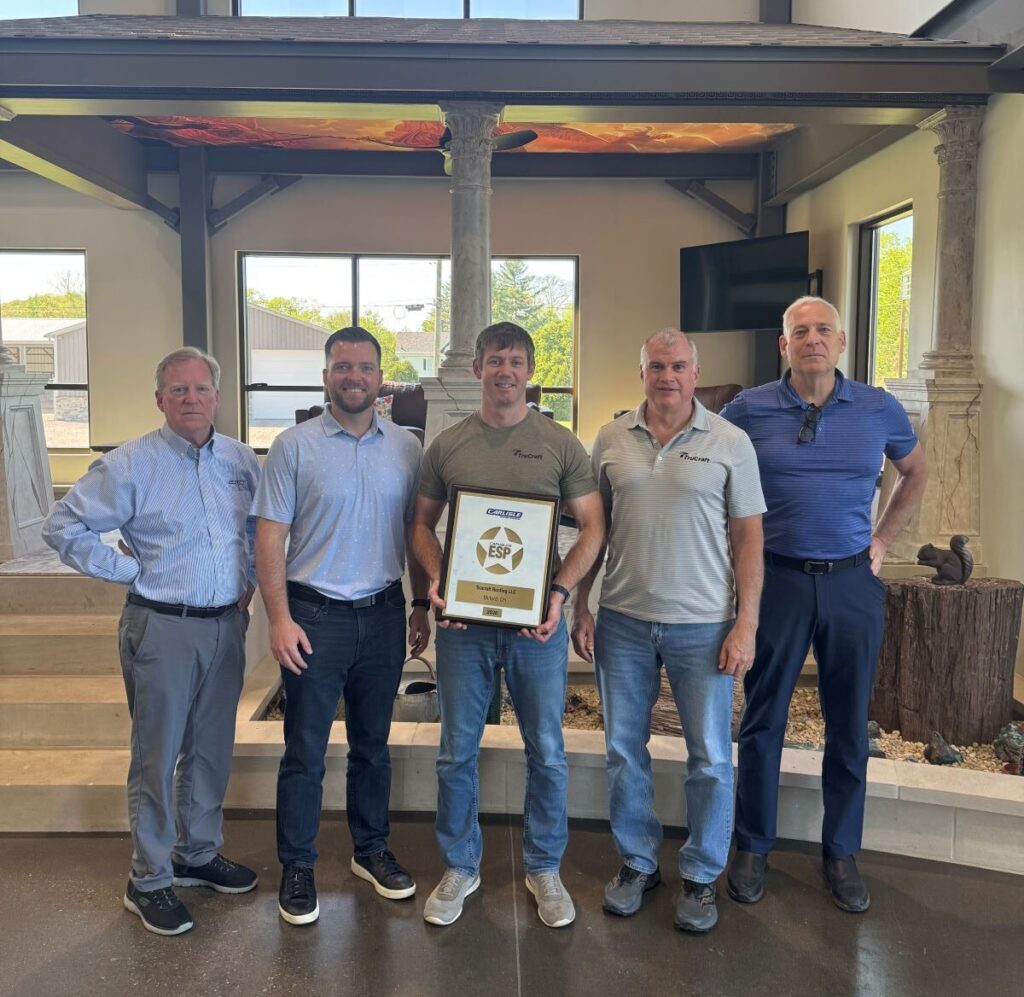
TruCraft was recently recognized by Carlisle SynTec Systems as a 2026 ESP (Excellence in Single Ply) contractor, marking the fourth consecutive year receiving this distinction.
The ESP program recognizes contractors who consistently meet strict installation standards and demonstrate proven performance across commercial roofing projects.
This isn’t based on volume or marketing.
It reflects consistent performance across projects—specifically:
- Installation quality
- Adherence to specifications
- Long-term system performance
In an industry where not every contractor is held to the same standard, that level of accountability matters.
How to Avoid Commercial Roof Problems on Your Next Project
The good news is that most commercial roof problems are preventable.
Not by choosing a different system—but by choosing the right approach from the start.
That means working with a contractor who prioritizes the details that actually impact long-term performance.
Many of these issues can also be avoided with proactive planning and ongoing care, which is why regular commercial roof maintenance plays an important role in keeping your system performing the way it should over time.
A strong approach to commercial roofing typically includes:
- Proper installation over speed
- Attention to detail across every phase of the project
- A focus on long-term performance, not just project completion
These decisions may not feel significant in the moment, but they are what determine how your roof performs years down the line.
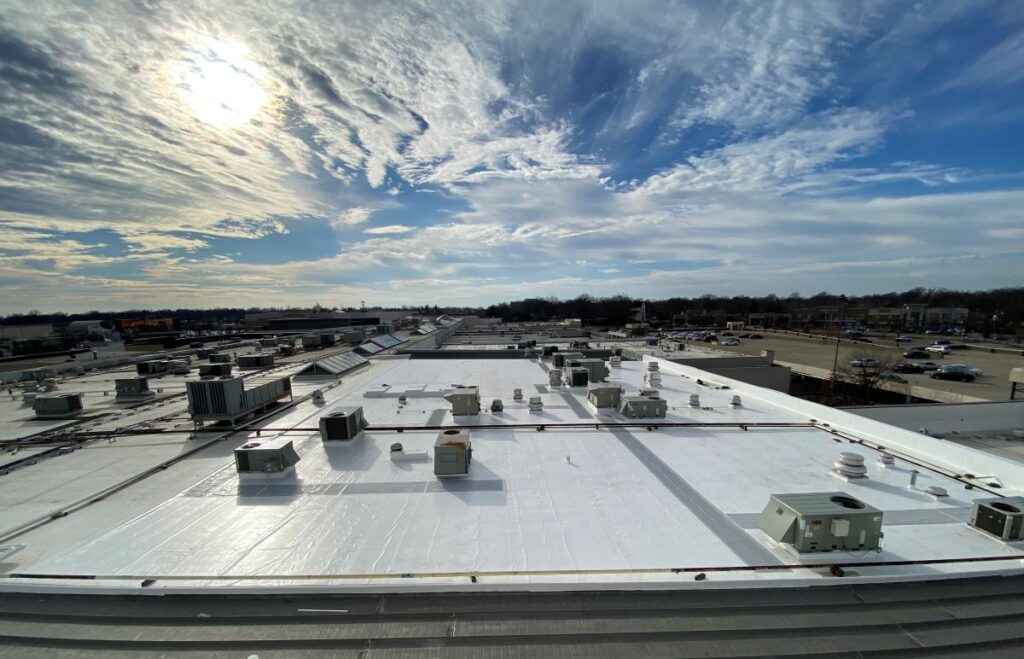
Choosing the Right Commercial Roofing Contractor
Before moving forward with a project, it’s worth slowing down and asking a few key questions. If you’re still weighing your options, understanding the difference between commercial roof repair and replacement can also help guide your decision.
Is the contractor recognized by the manufacturer?
Do they consistently follow specifications?
Are they focused on how the roof will perform years from now—not just how it looks when it’s done?
Those answers tend to tell you everything you need to know.
Frequent Asked Questions
What are the most common commercial roof problems?
Most issues come down to leaks, failing seams, flashing problems, and drainage issues. These typically start small but can lead to more significant damage over time.
Why do commercial roofs fail early?
In many cases, early failure is tied to installation quality. Even high-performing systems can fail if key details are missed during the install.
How can I prevent commercial roof problems?
The best way to prevent issues is to work with a qualified contractor who follows manufacturer guidelines and focuses on long-term performance.
Does the contractor or the material matter more?
Both matter—but installation quality plays a bigger role in how a roof performs over time.
If you’re planning a commercial roofing project and want a clear, honest assessment, our team is always available to walk your roof and talk through your options—so you can move forward with confidence.